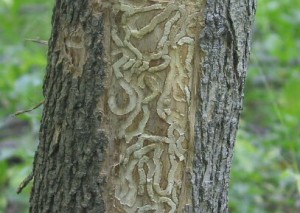

Emerald Ash Borer (EAB) treatments offer significant benefits, especially for communities and property owners seeking to preserve ash trees. Here’s a detailed overview of the benefits:
- Tree Preservation
- EAB treatments, such as systemic insecticides (e.g., emamectin benzoate or imidacloprid), can protect healthy ash trees from infestation.
- When applied correctly and at the right intervals, these treatments can extend the life of valuable and mature ash trees for many years.
- Cost-Effectiveness
- Treating ash trees can be more affordable in the long term compared to the costs of removing and replacing dead or dying trees.
- Large trees provide significant ecological and aesthetic benefits that are costly to replace.
- Environmental Benefits
- Protecting ash trees helps maintain their role in urban and natural ecosystems, including providing shade, reducing heat islands, and improving air quality.
- Retaining ash trees reduces the environmental cost associated with tree removal, such as increased carbon emissions and habitat disruption.
- Property Value and Aesthetics
- Healthy, mature trees enhance property values and curb appeal.
- Preventing ash tree decline helps maintain the landscape’s aesthetic integrity.
- Biodiversity and Habitat Preservation
- Ash trees are a food source and habitat for various wildlife species. Protecting them supports local biodiversity.
- The loss of ash trees due to EAB can lead to cascading ecological effects; treatments help mitigate these impacts.
- Time to Transition
- Treating trees provides a buffer period for communities to plan and gradually implement ash tree replacements or diversification with other species, avoiding sudden ecological and aesthetic losses.
- Reduced Public Safety Risks
- Dead and dying ash trees can become hazardous, posing risks of falling limbs or entire trees.
- Preventative treatments reduce the number of dead trees, thereby improving public safety in urban and recreational areas.
- Community Engagement
- Implementing EAB treatments can foster community awareness about invasive species and encourage sustainable urban forestry practices.
Limitations to Consider:
While treatments are beneficial, they require:
- Regular application, often every 2-3 years for systemic insecticides.
- Professional expertise to ensure proper dosage and timing.
- Assessment to determine whether a tree is a good candidate for treatment (e.g., less than 50% canopy loss).
If you’re considering EAB treatment for ash trees, consulting with a certified arborist is essential to develop a tailored and effective management plan.
